

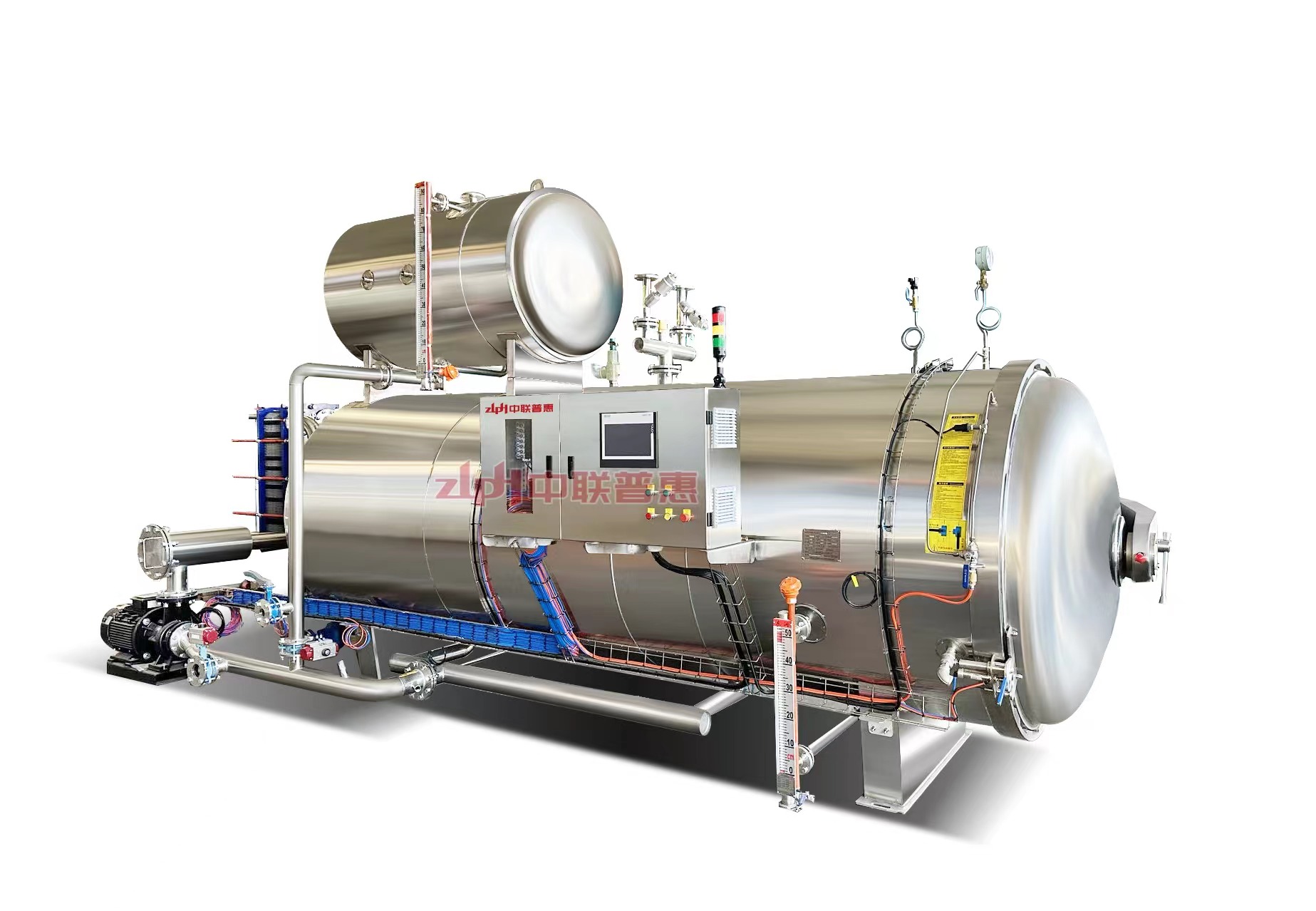
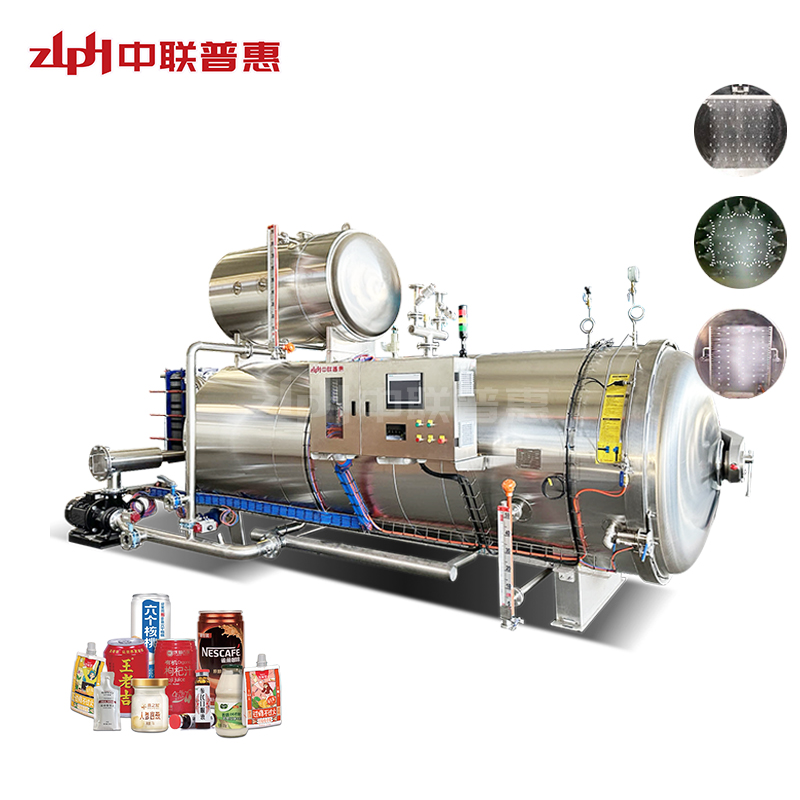
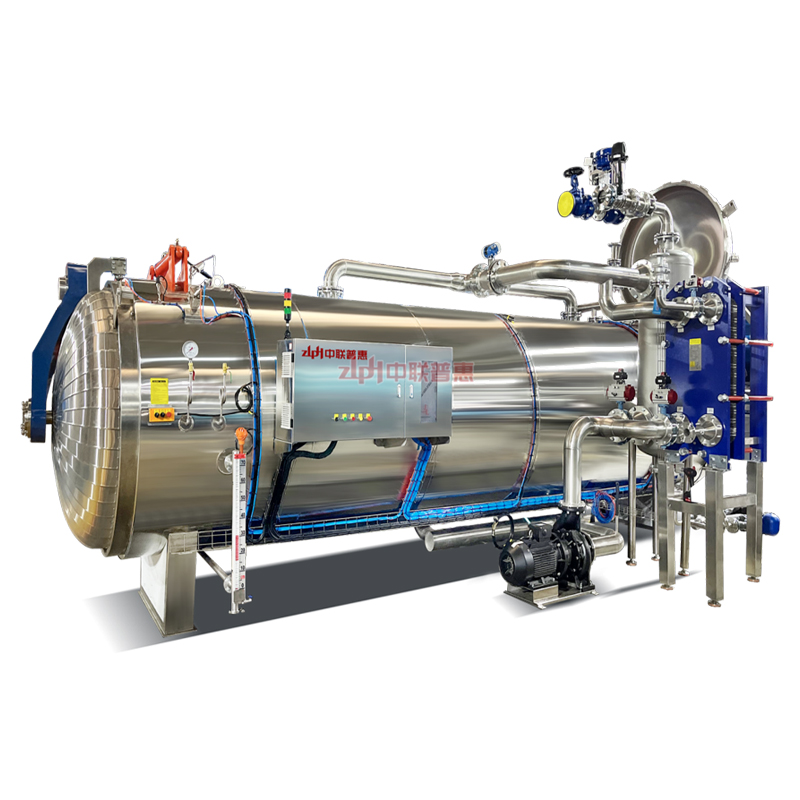
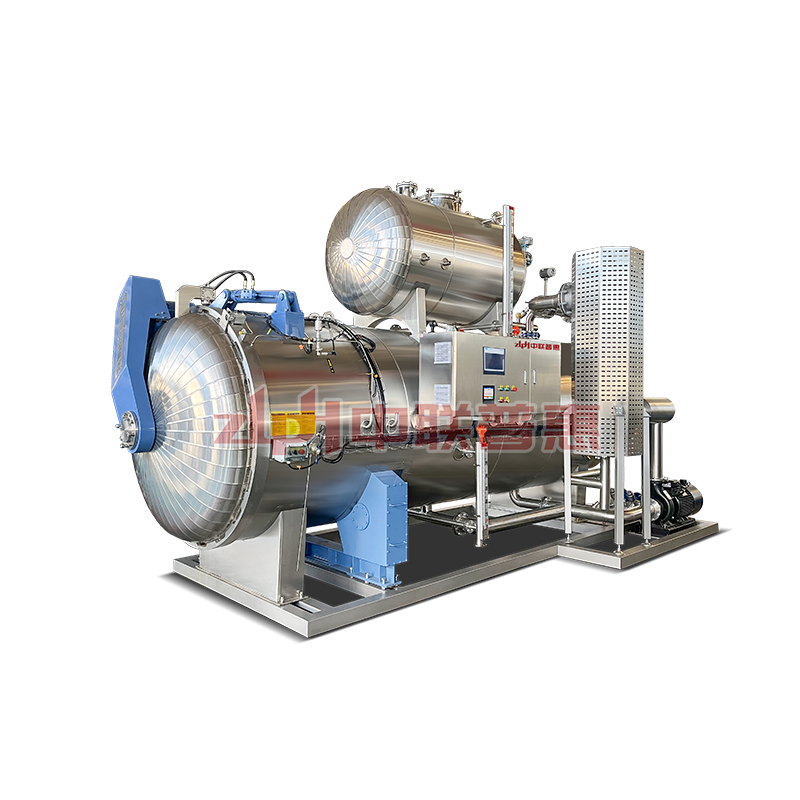
This guide is authored by a senior food processing engineer with over 10 years of experience at ZLPH MACHINERY TECHNOLOGY CO., LTD., a globally recognized provider of intelligent sterilization systems. It addresses a critical challenge faced by food manufacturers worldwide: inconsistent or uneven sterilization during retort processing, which compromises product safety, shelf life, and regulatory compliance.

Uneven sterilization in canned or packaged foods has long plagued the industry, primarily due to poor heat distribution, inadequate pressure control, and outdated equipment design. Based on more than 5,000 global installations and field validations across meat, seafood, pet food, and ready-to-eat meal sectors, we’ve developed a proven, step-by-step solution using advanced water spray retort autoclaves. This approach ensures uniform thermal penetration, eliminates cold spots, and maintains food texture and nutritional integrity—while meeting FDA, EU, and Codex Alimentarius standards.

In this guide, we’ll break down real-world scenarios where uneven sterilization occurs, analyze root causes, provide actionable fixes, share validated performance data, and offer best practices for reliable, scalable operations.

How to Solve Uneven Heat Distribution in Large-Batch Canned Food Sterilization?
1. Scenario & Pain Point
In high-volume canning facilities producing soups, stews, or sauces, operators often observe inconsistent microbial kill rates—especially in center trays or bottom layers of the retort basket. Post-process testing reveals surviving spores in certain zones, leading to product recalls, wasted batches, and failed audits. This issue intensifies with larger retort chambers (>3m³) and dense loading patterns.

2. Root Cause Analysis
Three core factors drive this problem:
- Poor water spray coverage: Conventional nozzles create dead zones where sterilization water fails to reach all surfaces.
- Static pressure imbalance: Inadequate venting or steam injection causes pressure gradients, disrupting uniform heat transfer.
- Manual loading inconsistencies: Human error in tray stacking blocks water flow paths, creating thermal shadows.
3. Step-by-Step Solution
Immediate Mitigation:
- Reconfigure basket layout using standardized spacing guides.
- Install flow deflectors to redirect spray toward low-coverage zones.
- Perform thermal mapping validation before full production runs.
Long-Term Fix:
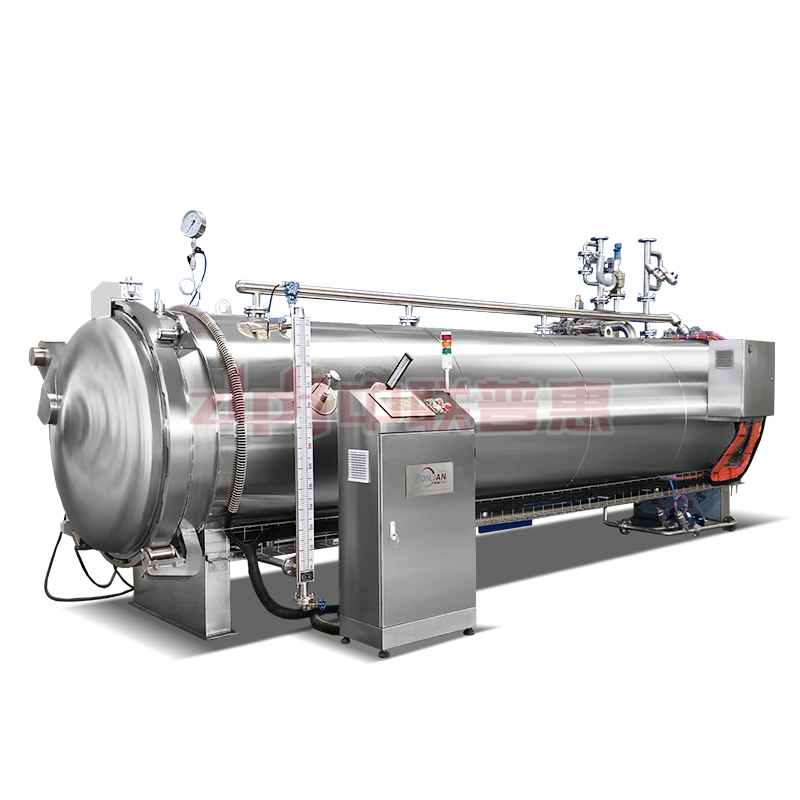
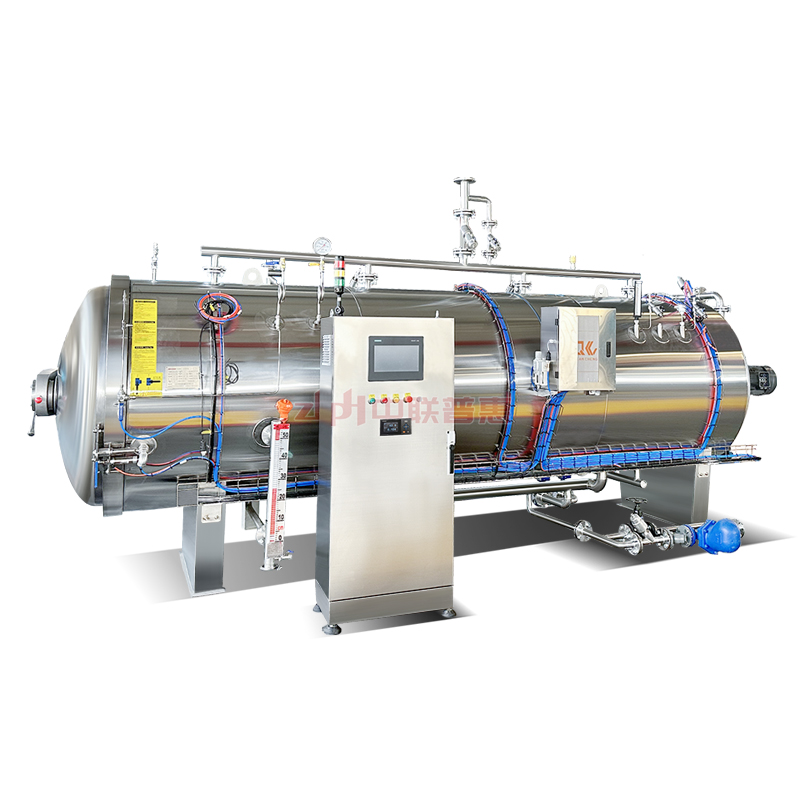
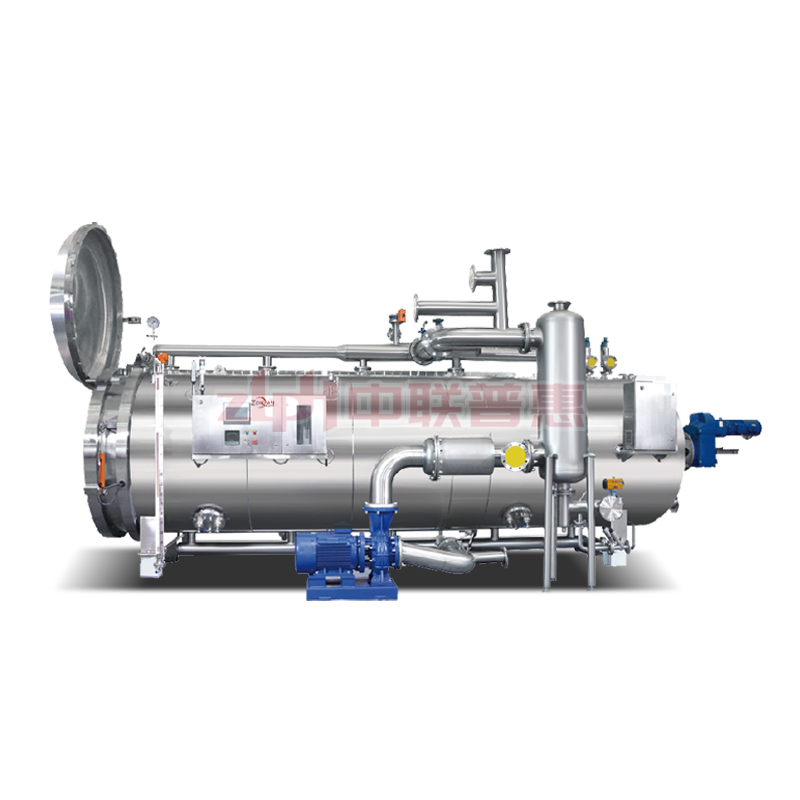
Deploy an intelligent top-opening water spray retort equipped with multi-zone spray manifolds and real-time temperature/pressure monitoring. The system uses 360° rotating nozzles and variable-frequency pumps to ensure even water distribution across all layers, regardless of load density.
Parameter Optimization:
- Set ramp-up/cool-down rates based on product viscosity and container size.
- Enable PID-controlled pressure regulation to maintain ±0.5 psi stability.
- Use integrated PLC logic to auto-adjust spray intensity per cycle phase.
4. Troubleshooting & Prevention Guide
On-Site Checks:
- Conduct dye tests to visualize water coverage patterns.
- Verify nozzle alignment and clog status weekly.
- Cross-check thermocouple readings against independent data loggers.
Procurement Best Practices:
- Require vendors to provide third-party thermal validation reports (e.g., from Silliker or Eurofins).
- Avoid retrofitting old steam-air retorts for water spray use—design matters.
- Prioritize systems with CE and ASME BPVC Section VIII certification.
5. Real-World Validation
A European ready-meal producer reduced post-sterilization spoilage from 1.8% to 0.02% after installing ZLPH’s intelligent water spray retort. Thermal mapping confirmed F₀ uniformity within ±3% across 120 trays per batch. The system now runs 22 cycles/day with zero microbiological failures over 18 months.
How to Prevent Product Damage During High-Pressure Sterilization of Delicate Foods?
1. Scenario & Pain Point
Manufacturers of premium pet food pouches or glass-jarred baby food face container deformation, seal leakage, or texture degradation when using aggressive sterilization profiles. Traditional retorts apply uniform pressure, crushing soft packaging or causing glass breakage.
2. Root Cause Analysis
- Unbalanced internal/external pressure: Rapid pressure changes create differential stress on flexible or brittle containers.
- Lack of counter-pressure control: No mechanism to equalize pressure during heating/cooling phases.
- Fixed cooling rates: Forced water quenching induces thermal shock.
3. Step-by-Step Solution
Use a water spray retort with dynamic counter-pressure control. The system synchronizes internal chamber pressure with product internal pressure via real-time feedback from load sensors. During cooling, it gradually reduces pressure while maintaining water spray, preventing pouch collapse or jar implosion.
4. Validation Result
At Petfair Asia 2023, ZLPH demonstrated its automated bowl-product sterilization line, achieving 0% package failure on 100,000+ delicate aluminum trays. The key was precise pressure ramping (≤0.3 bar/min) combined with laminar water flow.
Industry Best Practices for Reliable Water Spray Retort Operations
Based on 6+ years of global deployments, we recommend this 5-step framework:
1. Define Worst-Case Conditions
Design cycles for the most heat-resistant pathogen in your product (e.g., Clostridium botulinum), not average conditions.
2. Validate Thermally
Perform at least three full-load thermal mappings per product format using NIST-traceable probes.
3. Automate Loading/Unloading
Integrate retort trays loader-unloader systems to eliminate human variability—showcased successfully at Qingdao Exhibition.
4. Monitor in Real Time
Use IoT-enabled control panels that log T/P data per cycle and auto-flag deviations.
5. Maintain Proactively
Schedule quarterly nozzle inspections, gasket replacements, and safety valve calibrations.
Frequently Asked Questions (FAQ)
Q: Can I retrofit my old steam retort into a water spray system?
A: Not recommended. Water spray requires corrosion-resistant materials, specialized nozzles, and drainage—core design elements absent in steam-only units.
Q: What’s the minimum water quality required for spray sterilization?
A: Use softened water with <50 ppm hardness to prevent nozzle scaling. Deionized water is ideal for high-cycle operations.
Q: How does top-door design improve sterilization consistency?
A: It enables faster loading/unloading, reduces operator error, and allows vertical water flow—critical for even coverage in tall baskets.
Q: Are ZLPH retorts compliant with FDA 21 CFR Part 113?
A: Yes. Our systems meet all requirements for thermal processing of low-acid canned foods, including data logging and process control.
Q: Can one retort handle both cans and flexible pouches?
A: Yes—with programmable recipes and interchangeable basket fixtures, as demonstrated at AGROPRODASH 2023.
About Our Expertise & Support
ZLPH MACHINERY TECHNOLOGY CO., LTD. is a leading innovator in intelligent sterilization solutions since 2018. Our R&D team includes 21 mechanical and PLC engineers, 4 sterilization process experts, and 14 global after-sales technicians—all with 10+ years in retort automation.
We operate a 15,000㎡ modern factory on a 50-acre campus, equipped with precision machining centers that ensure component accuracy to ±0.02mm—critical for pressure vessel integrity. Our water spray retorts are deployed in 30+ countries, serving Fortune 500 food brands and emerging pet food leaders alike.
We offer customized support including:
- On-site thermal process validation
- Custom basket and tray design
- Free sample testing with your product
- 24/7 remote troubleshooting via WhatsApp or email
Contact Us
Company: ZLPH MACHINERY TECHNOLOGY CO., LTD.
Website: https://www.zlphretort.com/
Email: sales@zlphretort.com
Phone / WhatsApp: +86 15666798389 / +86 13361554016
